Pregnancy can bring noticeable changes to the skin as hormone levels shift. Some people experience dryness, increased sensitivity, or new breakouts, while others notice changes in pigmentation, such as darker patches. Skin may also remain much the same. These effects vary from person to person and can change over the course of pregnancy, so a routine that once worked well may need adjusting.
This guide offers a practical way to approach skincare during pregnancy. It explains how to read product labels and assess ingredients, then outlines a simple routine focused on gentle cleansing, moisturizing, and sun protection. It also considers ten gentle product options and suggests questions to raise with a qualified healthcare professional, particularly when choosing products with active ingredients or managing a persistent skin concern.
Product choice is not determined by marketing language alone. “Natural” and “organic” describe aspects of a product’s ingredients or production, but neither term guarantees that a formula is safe for every pregnant person or unlikely to irritate skin. Plant-derived ingredients, fragrances, and essential oils can still trigger sensitivity or allergic reactions. Likewise, a product described as gentle may not suit everyone; personal history and the full ingredient list matter.
Formulas can change over time, even when packaging and product names look familiar. Before buying or using an item, check its current ingredient list and follow the label directions. Introduce unfamiliar products one at a time, and consider testing a small amount on a limited area of skin before applying it more broadly. Stop using a product if it causes irritation, and seek medical advice for severe, persistent, or concerning symptoms. This guide is intended to support informed conversations, not replace individualized care from a clinician who understands your health and pregnancy.
Pregnancy can bring noticeable changes to the skin, even for people who have not previously had skin concerns. Shifts in hormones, increased blood flow, and changes in the body’s usual oil and moisture balance may contribute. The effects vary widely: some people experience several changes, while others notice little difference. Skin may also respond differently at different stages of pregnancy, so a product or routine that once felt comfortable may begin to cause irritation.
Increased sensitivity is common. Skin may feel more reactive, sting or itch more easily, or develop redness after using familiar products. Dryness and tightness can occur, although some people instead notice more oiliness or acne, including breakouts in areas that were previously clear. Gentle cleansing and moisturising may help support comfort, but new or worsening irritation can have many possible causes. Avoid assuming that every rash or breakout is a routine pregnancy effect.
Hormonal changes can also increase pigmentation. Melasma, sometimes called the “mask of pregnancy,” appears as brown or grey-brown patches, often on the cheeks, forehead, upper lip, or other areas exposed to sunlight. Darkening may also affect freckles, scars, or the skin around the nipples. These changes differ from person to person and may fade after pregnancy, though not always completely. Sun protection can help limit further darkening; discuss suitable options with a clinician if you are unsure what to use.
Pay attention to changes in how your skin looks and feels, without trying to diagnose them yourself. Contact your obstetric clinician or a dermatologist about symptoms that persist, are painful, spread rapidly, change quickly, or otherwise concern you. Seek timely medical advice for severe itching, especially if it is widespread or affects the palms or soles, as this can require assessment. A healthcare professional can evaluate symptoms in the context of your pregnancy and recommend appropriate care.
Choosing pregnancy-safe skincare requires more than looking for words such as “natural” or “gentle” on a label. Plant-derived ingredients can still cause irritation or allergic reactions, and products marketed as “clean,” “botanical,” or “organic” are not automatically safer during pregnancy. Treat these descriptions as marketing, not as a substitute for reviewing the formula or seeking medical advice.
Start by checking the complete ingredient list, including ingredients near the end, and read the product directions. Consider how often the product is intended to be used and whether it is leave-on or rinse-off. If a concentration is disclosed, note it; when it is not, do not assume that the ingredient is present at a low level. Check current information from reliable medical sources, since advice can depend on the ingredient, formulation, and how it is used.
Ask your healthcare professional about topical retinoids and products containing high-strength salicylic acid before using them during pregnancy. Do not begin, continue, or replace an active treatment based only on a product label or online recommendation. Your clinician can assess your circumstances and advise whether to avoid an ingredient, change a product, or use an alternative. Follow professional guidance on any acne, pigmentation, or other skin treatment, including directions about frequency and application area.
Fragrance and essential oils deserve attention as well. They may irritate skin, particularly if pregnancy has made it more sensitive, even when they are naturally sourced. A fragrance-free product may be worth considering if irritation is a concern, but it is not a guarantee that every other ingredient is suitable. Patch testing a new product can help identify local irritation, though it cannot establish pregnancy safety.
A practical check is to identify the product’s purpose, scan its full ingredient list for actives you have been advised to review, and verify usage instructions and available concentration details. When information is unclear, pause and ask a healthcare professional or pharmacist rather than relying on “natural” claims. Keep the packaging or ingredient list available so they can assess the exact product.
A simple pregnancy skincare routine can focus on comfort, consistency, and a short ingredient list rather than numerous specialized products. Choose a mild cleanser that removes makeup, sunscreen, and everyday buildup without leaving skin tight or irritated. A fragrance-free formula may be easier to tolerate, particularly if sensitivity or nausea makes scented products unpleasant. “Fragrance-free” is distinct from “unscented,” which can still involve masking ingredients, so check the label if fragrance is a concern. Cleansing once or twice daily, according to your skin’s needs, is often sufficient; scrubbing and frequent washing may worsen dryness or irritation.
For moisturizing, look for straightforward, fragrance-free products designed to support the skin barrier. Glycerin attracts water to the outer layer of skin, while ceramides help reinforce the barrier; both are common in creams and lotions. A richer cream may suit dry areas, whereas a lighter lotion can feel more comfortable on oilier skin. The best choice is the one that feels pleasant and does not trigger stinging, redness, or breakouts for you. Natural or botanical ingredients are not automatically gentler, and even familiar products can cause a reaction, so consider the whole formula and your individual history.
Daily broad-spectrum sunscreen helps protect against both UVA and UVB rays. Mineral sunscreens containing zinc oxide or titanium dioxide are options you can discuss with your clinician, especially if you are reviewing product choices during pregnancy. Select a product you are willing to apply and reapply as directed; hats, shade, and protective clothing can provide additional support. Tolerability is personal, and pregnancy may change how your skin responds. Before using a new product widely, patch-test it on a small area and watch for irritation. Introduce only one new product at a time, allowing you to identify which item may be responsible if a reaction develops. Ask your clinician about persistent irritation or specific ingredient concerns.
A straightforward routine is often easier to maintain during pregnancy than a long list of products. Choose gentle, fragrance-free basics where possible, and introduce changes gradually. “Natural” does not automatically mean irritation-free, so check ingredients and pay attention to how your skin responds.
Morning: Cleanse with a mild, non-stripping cleanser if your skin feels oily or you have residue from the night before. If it feels comfortable, rinsing with water may be enough. Apply a simple moisturizer suited to your skin, then finish with broad-spectrum sunscreen of at least SPF 30. Mineral sunscreens containing zinc oxide or titanium dioxide are options many people prefer during pregnancy. Apply enough to cover exposed skin and reapply as directed, especially after swimming or sweating.
Evening: Gently cleanse to remove sunscreen, makeup, and daily buildup. Use lukewarm rather than hot water, and pat the skin dry instead of rubbing. Follow with moisturizer while the skin is slightly damp. If dryness is a concern, choose a richer, uncomplicated cream or ointment, and consider applying an additional layer to particularly dry areas.
For sensitivity, simplify further: pause products with fragrance, scrubs, or strong exfoliating ingredients, and rely on cleanser, moisturizer, and sunscreen until the skin settles. If occasional breakouts occur, avoid adding several new treatments at once. Make one change at a time and allow your skin to adjust; ask a clinician or pharmacist whether a specific acne product is appropriate during pregnancy.
Support the routine by avoiding over-exfoliation, which can weaken the skin barrier and increase irritation. Stop using any product that causes persistent burning, itching, swelling, or a worsening rash. Seek medical advice for persistent acne, rashes, or pigmentation changes rather than trying to treat them with multiple active ingredients on your own. A clinician can help identify the cause and discuss options suited to your pregnancy and skin needs.
Rather than relying on “natural” claims, check the full ingredient list, choose products suited to your skin, and ask your prenatal clinician about specific concerns. These widely available product types are options to consider, not guarantees of universal pregnancy safety.
1. Fragrance-free cleanser: A mild, soap-free face wash can remove daily buildup without added perfume. Look for gentle surfactants and avoid formulas that leave skin tight; those with very sensitive skin may still react.

- Free of amines and amides
- Soap-free
- Sulfate-free
2. Creamy cleanser: A lotion-like cleanser may suit dry or easily irritated skin. Glycerin or emollients can support a comfortable feel, though heavier textures may not appeal to people prone to clogged pores.

- La Roche-Posay Toleriane Hydrating Gentle Cleanser with Trav…
- Toleriane Hydrating Gentle Cleanser is a daily face wash for…
- Formulated with La Roche-Posay prebiotic thermal spring wate…
3. Basic moisturizer: A simple, fragrance-free cream with humectants and emollients can help maintain facial hydration. Choose a non-comedogenic option if breakouts are a concern, and patch-test if your skin is reactive.
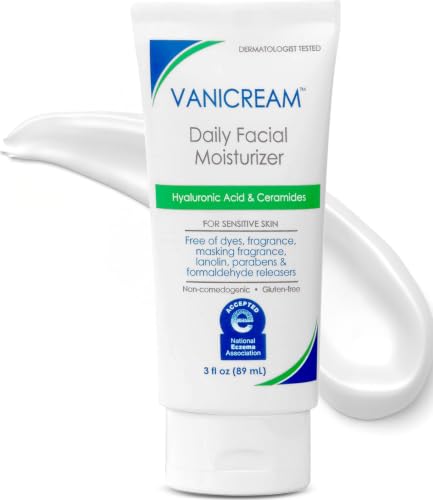
- Designed for Sensitive Skin: Vanicream is the #1 Dermatologi…
- Hydrating Moisturizer: This rich but lightweight face moistu…
- No Common Irritants: The gentle formula contains no gluten, …
4. Ceramide-rich moisturizer: Ceramides, often paired with cholesterol or fatty acids, help support the skin barrier. This type may be useful when skin feels dry or sensitive; discontinue it if irritation develops.4. Ceramide-rich moisturizer: Ceramides, often paired with cholesterol or fatty acids, help support the skin barrier. This type may be useful when skin feels dry or sensitive; discontinue it if irritation develops.

- [ HYALURONIC ACID MOISTURIZER ] With hyaluronic acid, cerami…
- [ MOISTURIZER FOR DRY SKIN ] A deficiency of ceramides in sk…
- [ GENTLE DAILY MOISTURIZER ] For face and body or can be use…
5. Glycerin-based lotion: Glycerin attracts water and is common in lightweight body or face lotions. It can suit everyday use, but very dry skin may need a thicker cream layered over it.
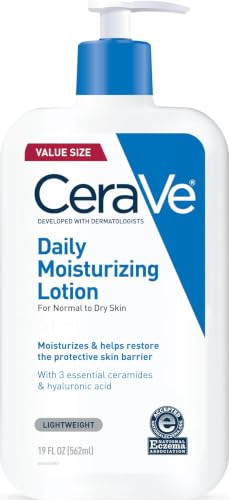
- [ DAILY MOISTURIZING LOTION ] Smooth, light-weight text…
- [ LONG-LASTING HYDRATION ] Contains Hyaluronic Acid to …
- [ GENTLE ON SKIN ] Holds National Eczema Association (N…
6. Mineral sunscreen: A broad-spectrum SPF 30 or higher containing zinc oxide, titanium dioxide, or both can help protect exposed skin. Reapply as directed; texture, white cast, and sensitivity vary by formula.

- We love the reef – to help protect delicate coral reefs, Blu…
- Mineral sunscreen, no chemical active ingredients – protects…
- Spf 50+ broad spectrum UVA/UVB protection- mineral active in…
7. Lip balm: A plain balm with petrolatum, shea butter, or beeswax can reduce moisture loss from chapped lips. Avoid flavors or fragrance if they trigger irritation, and do not apply products to broken skin without guidance.
8. Body moisturizer: A fragrance-free cream may ease ordinary dryness as skin changes. It cannot reliably prevent stretch marks, and new rashes or severe itching warrant medical advice.
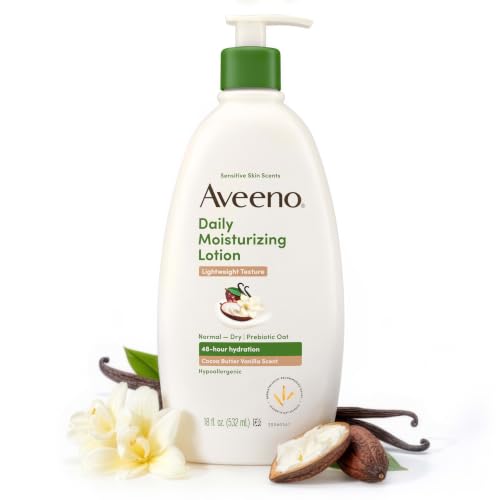
- 18-fluid ounce bottle of Aveeno Daily Moisturizing Lotion wi…
- This moisturizing lotion for dry, sensitive skin deeply nour…
- Prebiotic oat + cocoa butter formula supports the skin’s nat…
9. Hand cream: A fragrance-free, glycerin- or ceramide-containing cream can help hands exposed to frequent washing. Apply after washing; seek advice for persistent cracking or inflammation.

- DEEP NOURISHMENT & NON-GREASY: This velvety cream delivers r…
- CLINICAL-GRADE CLEAN STANDARD: Goes beyond Paraben-free. Cli…
- K-BEAUTY'S #1 PREGNANCY CHOICE: Trusted by 1 in 4 pregnant w…
10. Simple body oil: A single-ingredient oil, such as sunflower seed oil, may soften dry skin when applied to damp skin. It can feel greasy, cause reactions, or make floors slippery; patch-test first. Review ingredients with a clinician when uncertain.
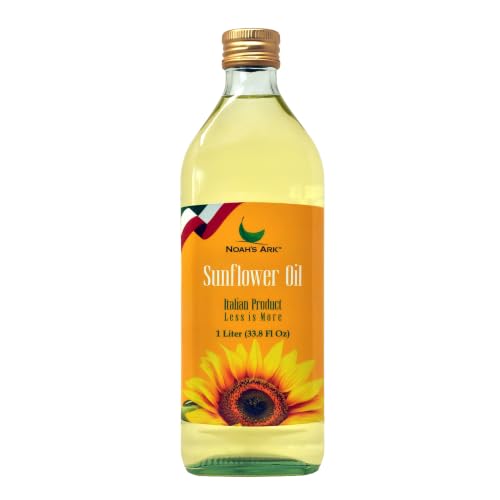
- AUTHENTIC ITALIAN CRAFTSMANSHIP – Noah's Ark Sunflower Seed …
- HIGH SMOKE POINT VERSATILITY – Engineered for superior perfo…
- MILD AND NEUTRAL TASTE PROFILE – Featuring an incredibly lig…
These ten options cover common skincare needs rather than prescribing a complete routine. Approximate US price ranges are stated in US dollars and checked November 2026; prices and formulas vary by retailer and can change. Verify current ingredients, fragrance status, and cost at publication. A higher price or “natural” label does not establish pregnancy safety; review ingredients and consult a clinician about specific concerns.
1. Gentle, fragrance-free cleanser: $8–$20. Mild surfactants and a rinse-off formula suit everyday use; a pump bottle is convenient. Avoid products that leave skin tight or contain known irritants.
2. Cream cleanser: $10–$25. Emollient-rich formulas may feel less drying, though jars require clean handling and may not suit oily skin.
3. Basic moisturizer: $8–$25. Glycerin, ceramides, or petrolatum support moisture without a complicated routine; fragrance-free versions are widely available.
4. Facial sunscreen, mineral: $12–$35. Zinc oxide or titanium dioxide formulas avoid chemical UV filters, but can feel thick or leave a white cast.
5. Facial sunscreen, non-mineral: $10–$30. Often easier to spread and less visible, with ingredient suitability best confirmed with a healthcare professional. Both types need adequate, regular application.
6. Body moisturizer: $8–$25. A pump lotion is quick for larger areas; richer creams may be better for dry skin.
7. Petrolatum ointment: $4–$12. Fragrance-free and highly occlusive, it works for small dry patches but can feel greasy.
8. Mineral-oil-free balm: $8–$22. Plant oils or shea butter offer a portable option; botanical ingredients can still trigger sensitivity.
9. Fragrance-free lip balm: $3–$10. A stick is convenient; avoid flavors or essential oils if they irritate. 10. Colloidal oatmeal cream: $8–$25. It may soothe dry, itchy skin and usually fits a simple routine; stop use if irritation occurs. Compare packaging, texture, and willingness to use a product consistently—not just cost. Introduce one new item at a time, and check labels because fragrance-free and unscented do not always mean identical formulations.
Is natural skincare automatically safe during pregnancy?
No. “Natural” describes a product’s marketing or ingredients, not its safety. Botanicals and essential oils can cause irritation or have limited pregnancy-specific research. Check the full ingredient list, and ask your obstetric clinician, dermatologist, or pharmacist about ingredients you are unsure of. The U.S. Food and Drug Administration does not approve cosmetics before they are sold, so labels and claims are not a guarantee of safety.
Do I need to replace every skincare product?
Usually, there is no need to discard an entire routine simply because you are pregnant. Review products for ingredients that may warrant avoidance or clinician guidance, and make changes based on reliable advice rather than broad “clean” or “pregnancy-safe” claims. The American College of Obstetricians and Gynecologists (ACOG) and a healthcare professional can help assess specific ingredients and your circumstances.
What if I accidentally used an ingredient of concern?
Stop using the product until you can check its ingredients and get advice. A brief, accidental exposure does not automatically mean harm has occurred. Keep the package or take a photo of the label, then contact your obstetric clinician or a pharmacist. MotherToBaby, a U.S. teratology information service, also provides evidence-based information about exposures during pregnancy.
Is sunscreen appropriate during pregnancy?
Yes. The American Academy of Dermatology (AAD) recommends sun protection, including broad-spectrum sunscreen, shade, and protective clothing. If you prefer, choose a mineral sunscreen containing zinc oxide or titanium dioxide. Ask your clinician or pharmacist about a particular product if you have sensitivities or questions.
How should I manage acne or dark patches?
Pregnancy can affect acne and pigmentation, but not every treatment is suitable. Avoid starting prescription or over-the-counter actives without checking first; retinoids, for example, are generally avoided during pregnancy. A clinician or dermatologist can recommend options, while daily sun protection may help limit worsening of dark patches.
When should I ask about a rash or reaction?
Stop a suspected product and seek advice for a new or persistent rash, burning, swelling, or worsening irritation. Contact your clinician promptly for severe symptoms; trouble breathing or swelling of the face or throat requires emergency care. A dermatologist, obstetric clinician, or pharmacist can help identify possible triggers and next steps.
Pregnancy skincare does not need to be complicated. A short routine built around gentle cleansing, moisturising, and sun protection may be easier to maintain and less likely to introduce avoidable irritation. When considering a new product, read the complete ingredient list rather than relying on front-label claims or a product’s natural or organic positioning. Those terms do not, on their own, confirm that a formula is suitable during pregnancy or appropriate for every person’s skin.
Choose products according to your skin’s tolerance, preferences, and practical needs, including texture, fragrance, availability, and cost. Compare the full formula and price before purchasing, and be cautious about assuming that a higher price or “clean” marketing language indicates greater safety. If you add a product, consider introducing it gradually and testing it on a small area first. Stop using it if you notice persistent redness, itching, burning, or another concerning reaction; seek medical advice if symptoms are severe or do not settle.
Ingredient guidance can vary, and some active treatments may require individual assessment. Check product details with a reliable source, especially when the label is unclear, the formula has changed, or a product combines several active ingredients. Ask a qualified healthcare professional, such as your maternity care provider or dermatologist, about prescription treatments, stronger over-the-counter actives, and any pregnancy-specific skin concern. Bring the product packaging or ingredient list to make the discussion more useful. A considered routine can remain simple while adapting to changing skin. Prioritising clear information, personal comfort, and professional guidance helps you make informed choices without assuming that every natural product is automatically appropriate.
